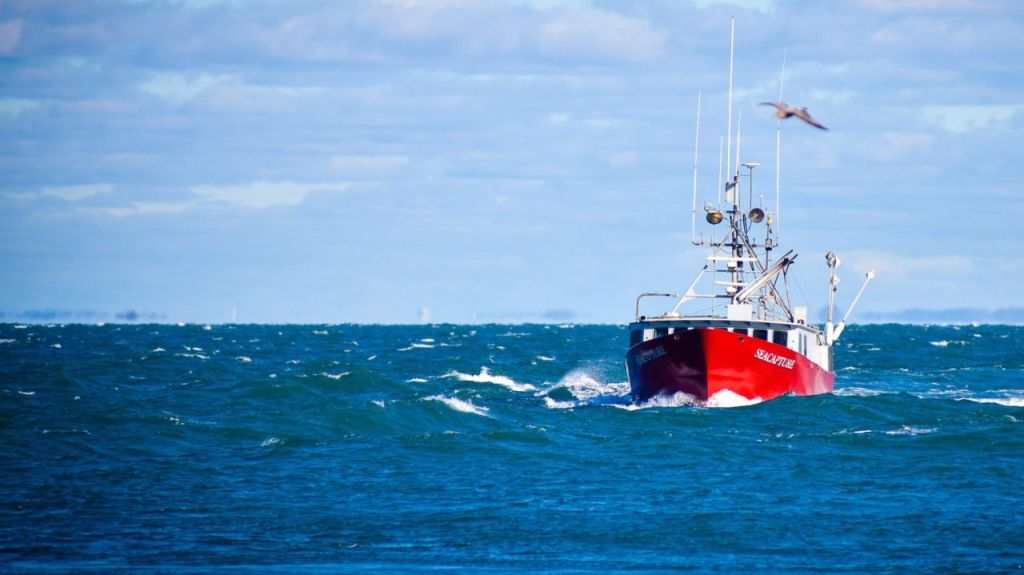
Fishing is a huge source for protein, and a fundamental livelihood for billions of individuals. The fishing industry contributes immense amounts of food to countries around the world, but what is the cost? With large-scale fishing comes environmental harm, overfishing, and even fatal accidents. With all these problems, I would argue that more regulation is needed worldwide.
Fishing is extremely dangerous. In fact, commercial fishing is considered one of the most dangerous jobs in the United States. According to the Morbidity and Mortality Weekly Report from the U.S. Government Printing Office, commercial fishing had a fatality rate “23 times higher than that for all U.S. workers” in 2016. Dangerous accidents take place regularly in this industry, resulting in injuries and death of workers. A significant amount of the danger involved with commercial fishing lies in the unpredictability of the environment. Harsh conditions out on the sea are very common for workers.This is when the Commercial Fishing Industry Vessel Safety Act of 1988 comes into play. This law enforces that all commercial fishing vessels hold lifesavers, flares, and fire extinguishers. After this law was established, the death rate of workers dropped by a staggering fifty percent.

Arguably the largest issue with this industry is overfishing. Lack of regulation, high demand for fish, and new technology are all responsible for certain areas being rapidly depleted of wildlife. Fishing is overall not bad for the environment, but marine ecosystems can be impacted terribly when vessels catch fish faster than they can be replenished. The concept of bycatch is closely intertwined with the problem of overfishing. Bycatch refers to the capture or harm of usually unwanted species of fish and animals. While attempting to catch one species, fisheries will frequently catch sharks, dolphin, or turtles unintentionally. During this process, these already vulnerable species tend to be injured or even killed by accident.
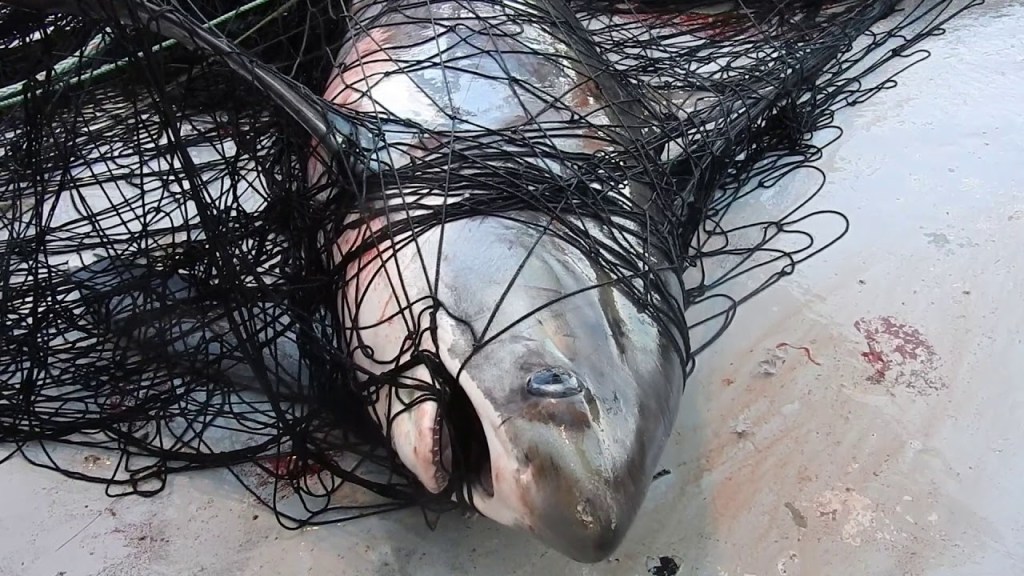
To continue, fisheries will return from trips with a dead turtle that they cannot sell. This bycatch is then thrown back into the ocean, causing environmental harm. Regulatory laws have been made to lessen the severity of environmental damage, but overfishing has proven to be a difficult issue to tackle.
The Magnuson-Stevens Fishery Conservation and Management Act is the main law designed to regulate fisheries in national waters. The goal of this law is to ensure a sustainable market without depleting resources to the point where nationals are negatively impacted economically and socially. This law has seen success since it was established. The United States is actively preventing overfishing, putting effort towards rebuilding supply, and providing economic benefits for fisheries. The regulation strategy is still flawed, however, and requires constant improvement.
Along with overfishing and bycatch, habitats are being ruined. New innovation in technology, while quite beneficial, is not all good. Very large and heavy machinery used to catch fish has proven to have a notably negative impact on marine habitats and ecosystems. Dredging, a common fishing tactic, has an immense impact on the sea-floor. This process can cause severe and lasting damage to the wellbeing of sea-floor based and bottom-feeding species.
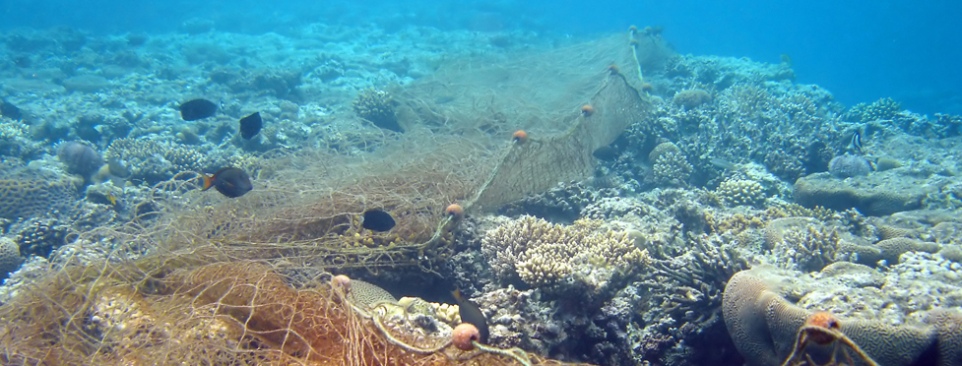
With all the harm caused by commercial fishing, some efforts to reduce environmental damage have had limited success. For example, a decline in shark and ray landings has occurred due to tougher restrictions on overfishing. However, it is important to note that this progress is not nearly enough. There is plenty more ground to cover in the pursuit of sustaining our marine ecosystem and its resources.
There is brutal environmental harm taking place, and human lives being lost. Within the fishing industry’s essential role in our world, terrible events are regularly happening…and they are all preventable! Through proper handling and supervision of this industry, we can continue feeding the world while also maintaining safe practices and reducing our negative impact on the environment. Increased regulation of the commercial fishing industry is clearly necessary in order to reduce fatal accidents, overfishing, and more environmental harm.
 The Joey Zebrowski Post